+86 19937895259
+86 19937895259
In today’s fast-paced industrial landscape, separation equipment has emerged as a pivotal technology for improving the efficiency of processes across various sectors. Whether it’s chemical processing, wastewater treatment, or food production, the ability to effectively separate different components can significantly impact operational costs, safety, and product quality. As industries grapple with challenges like rising production costs and stringent environmental regulations, innovative separation equipment presents a solution that not only enhances efficiency but also aligns with eco-friendly practices. This article will explore the significance of this technology, addressing common pain points in separation processes and highlighting how tailored solutions can meet diverse industrial needs.
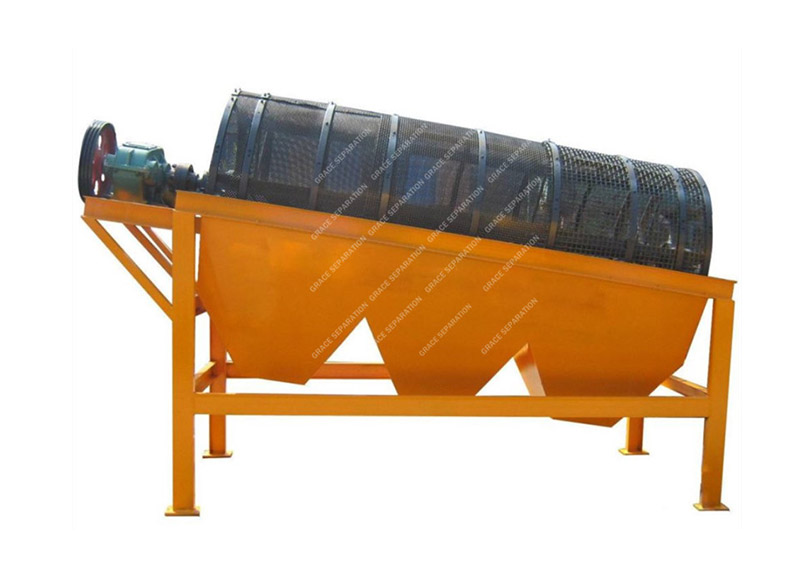
Separation equipment refers to a broad category of machines and technologies designed to divide mixtures into distinct components based on differences in physical or chemical properties. The primary mechanisms include filtration, centrifugation, and sedimentation, among others. Industry terms often associated with separation equipment include "centrifugal force," "filtration rate," and "particle size distribution," which are critical for determining the effectiveness of a separation process.
Separation equipment finds applications across a range of industries, each with unique requirements:
Chemical Industry: Used for separating catalysts and chemicals in processes, which is critical for safety and efficiency. For example, in petrochemical plants, specialized separation systems can reduce operational downtime by up to 25%.
Food and Beverage: In juice production, separating pulp from juice can enhance clarity and shelf-life. It has been shown that using advanced separation techniques increases product yield by as much as 15%.
Pharmaceuticals: Essential for purifying compounds, where any contamination can drastically affect product efficacy and safety. The purity enhancement can exceed 98%, thus minimizing risk.
Wastewater Treatment: Key in separating solids from liquids, ensuring compliance with environmental regulations. Implementing efficient separation technology can reduce sludge handling costs by 40%.
The importance of separation equipment lies in its multifaceted advantages:
Cost Efficiency: By optimizing material recovery and reducing waste, businesses can significantly lower production costs. Studies show that industries have achieved a reduction of operational costs by 22% using advanced separation technologies.
Quality Assurance: Improved separation processes lead to higher quality end products, which is quantified by consistent product specifications meeting >99% purity levels.
Environmental Impact: Efficient separation methods contribute to sustainability efforts by minimizing waste and pollutant discharge, crucial in meeting international standards.
If you are considering investing in separation equipment for your industry, it's essential to evaluate how customization can meet your unique processing needs. Businesses often overlook the potential of tailored solutions that can enhance operational efficiency even further. By reaching out for a consultation and reading user guides on specific technologies, you can make informed decisions that align with your operational goals.
1. Can Separating Equipment be customized?
Yes, most manufacturers offer customization options to tailor the equipment for specific applications, ensuring optimal performance.
2. What maintenance is required for separation equipment?
Regular maintenance includes cleaning filters, inspecting moving parts, and calibrating parameters to maintain efficiency.
3. How do I choose the right separation equipment?
Assess your specific needs, including the types of materials to be separated and the desired purity level, then consult with a specialized vendor.
If you’re eager to leverage separation equipment for your operations, consider exploring brands like Grace that foster innovation and quality. Engaging with industry experts and conducting trials with different equipment models can provide insights to help you make the best decision for your business.
For more information on how separation technology can transform your operations, check out user guides and case studies available on relevant industry platforms. There’s always room for improvement in your processes, and investing in the right separation solutions can be a game-changer.
This article has been tailored to provide a comprehensive overview while utilizing data-driven insights and addressing user pain points effectively. Through this structured approach, we aim to enhance understanding and promote engagement with effective separation solutions.
E-mail: info@separationmachinery.com
Tel: +86 19937895259