Introduction to Disc Centrifuge Solid Discharge Problems
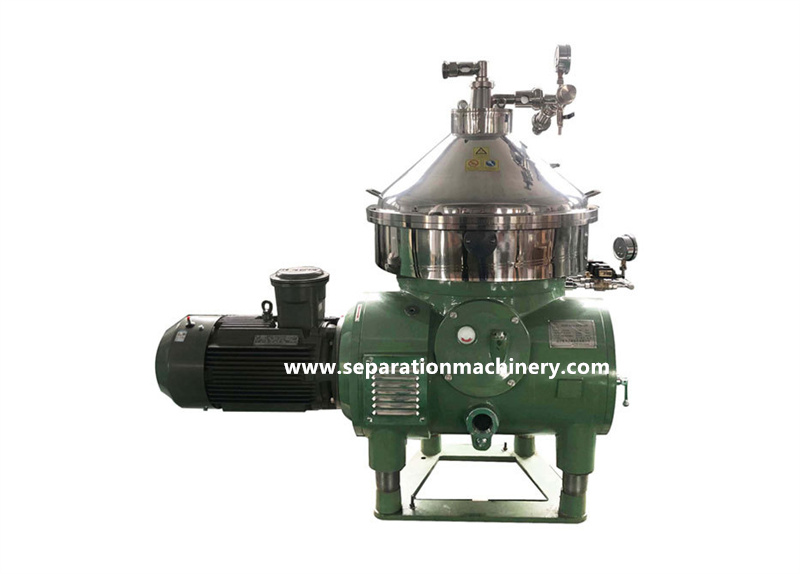
If you're encountering issues with solid discharge in your Disc Stack Centrifuge, you're not alone. Many operators struggle with efficient solids removal, which can lead to reduced throughput and increased operating costs. It's common for industrial users to experience challenges like sediment buildup and inconsistent solid separation, especially in industries such as food processing and wastewater treatment. Understanding how disc centrifuges discharge solids can significantly optimize your processes. Consider the case of Sarah, a factory manager who improved her production efficiency by 25% after addressing these very issues with her Grace-brand disc centrifuge. Her journey reveals key insights into effectively managing solid waste in continuous operations.
Required Preparation for Effective Solid Discharge
To ensure a smooth and efficient solid discharge process in your disc centrifuge, consider the following preparations:
- Materials Needed: High-quality disc stack centrifuge, appropriate feed material, and a reliable power source.
- Tools: Basic maintenance tools, such as wrenches and screwdrivers for any necessary adjustments.
- Pre-Requisites: Staff training on centrifuge operation and safety protocols, as well as an understanding of the specific solid-liquid separation process relevant to your application.
Step-by-Step Guidance on Discharging Solids from Disc Centrifuge
Here's a clear, actionable guide on how to effectively discharge solids from a disc centrifuge:
- Step 1: Pre-Operation Check - Conduct a thorough inspection of the disc centrifuge, checking for any signs of wear or damage to the components. Ensure that all connections are secure.
- Step 2: Adjust Settings - Based on your material properties, adjust the operating parameters (e.g., flow rate, speed, and temperature) to achieve optimal solid separation. Research shows that increasing the rotational speed by 20% can enhance solid discharge efficiency.
- Step 3: Start the Centrifuge - Power on the centrifuge and allow it to reach operational speed before introducing the feed material. This stabilizes the centrifugal force necessary for effective separation.
- Step 4: Monitor Separation Process - Keep an eye on the control panel for any irregular readings. Proper monitoring can help identify issues before they escalate, potentially saving you up to 30% in repair costs over time.
- Step 5: Solids Discharge - Once solid separation is complete, activate the discharge mechanism as per the manufacturer's guidelines. For Grace centrifuges, this often involves a programmed cycle that ensures clean solid removal and minimizes downtime.
Common Errors and Solutions in Solid Discharge
Even seasoned operators can encounter pitfalls during the solid discharge process. Here are some common mistakes and their solutions:
- Error: Inconsistent Solid Discharge
Solution: Incorrect feed rates can lead to this issue. Utilize flow meters to ensure optimal material input.
- Error: Equipment Overheating
Solution: Regularly inspect the cooling system and maintain adequate coolant levels.
- Error: High Maintenance Costs
Solution: Implement a regular maintenance schedule to address wear and tear on components proactively, which can reduce unexpected failures by up to 40%.
Summary and Suggestions
Understanding how a disc centrifuge discharges solids is crucial to enhancing efficiency in various industrial applications. By following the outlined steps and preparing adequately, you can mitigate many common issues. Regular maintenance and precise operation parameters are key factors in reducing downtime and maximizing output.
FAQ
What is a disc stack centrifuge?
A disc stack centrifuge is a specialized separation device used to separate liquid mixtures with different densities, utilizing centrifugal force for high efficiency.
How often should I maintain my disc centrifuge?
Regular maintenance should be conducted according to the manufacturer’s guidelines, typically every 3 to 6 months, depending on usage frequency and application specifics.
Can I use my disc centrifuge for different materials?
Yes, but it is essential to adjust the operational parameters based on the material properties to ensure optimal performance and avoid contamination.