+86 19937895259
In the field of industrial separation technologies, Centrifuge Separators are essential tools that streamline processes across various industries. A centrifuge separator uses centrifugal force to isolate substances with different densities, which is valuable in fields such as food processing, pharmaceuticals, and wastewater treatment. These devices enhance efficiency in separation tasks, leading to significant operational cost savings and improved product quality. For example, in the dairy industry, centrifuge separators can increase milk yield by up to 20% while ensuring quality standards are met.
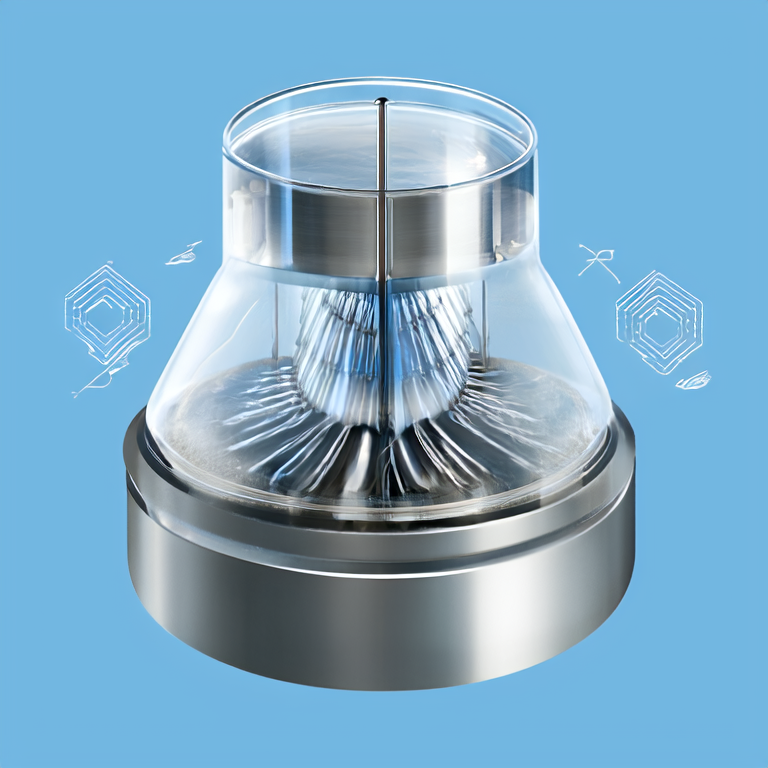
A centrifuge separator is a mechanical device that uses the principles of centrifugal force to separate materials based on density differences. The mechanism typically involves spinning a container at high speeds, causing denser materials to move outward while lighter substances remain closer to the center. This separation process can be applied to liquids, solids, and mixtures, facilitating efficient extraction and purification.
Centrifugal Force: A force that acts outward on a body moving around a center, arising from the body's inertia.
Separation Efficiency: Measured as a percentage, indicating how well the centrifuge separates different materials. High-efficiency units can achieve separation efficiencies exceeding 95%.
Feed Rate: The speed at which material enters the centrifuge, typically measured in liters per hour (L/h), influencing the throughputs and operational effectiveness.
Centrifuge separators find applications across a myriad of industries, including:
Food and Beverage: Used for separating cream from milk, clarifying juices, and recovering pulp.
Pharmaceuticals: Essential in purifying active ingredients and separating contaminants.
Wastewater Treatment: Employed to separate solid waste from liquid effluent, aiding in recycling and reducing environmental impact.
Petrochemical: Useful for separating oil from water in crude oil processing, significantly improving yield rates.
Each of these applications leverages the efficiency of centrifuge separators, leading to measurable improvements in product quality and operational costs. For instance, wastewater treatment facilities using efficient centrifuge technology can reduce their sludge volume by up to 50%, optimizing disposal processes.
Centrifuge separators deliver several advantages crucial to industrial operations:
High Throughput: Modern centrifuge separators can process several tons of material per hour, considerable compared to traditional separation methods.
Cost-Effectiveness: By maximizing output and minimizing waste, businesses can see reductions in operational costs by as much as 30%.
Quality and Purity: The precision of centrifuge separators guarantees a purity level of up to 99% in separated products, essential for industries with strict quality standards.
Versatility: These machines can handle a wide variety of substances, adapting to different operational needs, making them useful across different sectors.
Reduced Labor Costs: Automating separation processes decreases the need for manual intervention, lowering labor expenses significantly.
To fully leverage the benefits of centrifuge separators, it's crucial to understand their operation and maintenance requirements. Start by reading the user guide provided with your centrifuge separator. For those looking for high-quality centrifuge separators, consider exploring products from Grace, a brand known for its reliable and efficient separation technologies.
How does the performance of centrifuge separators vary by application?
What maintenance is required for a centrifuge separator?
Can centrifuge separators be used in small-scale operations?
What are the typical costs associated with purchasing a centrifuge separator?
In conclusion, centrifuge separators are vital assets in various industries, offering high efficiency, cost savings, and superior product quality. For a deeper understanding or hands-on experience, consider trialing a centrifuge separator model from reputable brands like Grace. Exploring their capabilities will ensure you harness their full potential in your operations.
E-mail: info@separationmachinery.com
Tel: +86 19937895259