+86 19937895259
+86 19937895259
In today's rapidly evolving industrial landscape, the significance of Separation Equipment cannot be overstated. This equipment is crucial in enhancing operational efficiency across various sectors, including food and beverage, pharmaceuticals, and environmental management. For instance, advanced separation technologies can transform how companies manage waste and reclaim valuable resources, catering to growing sustainability demands. As industries grapple with the need for sustainability and efficiency, Separation Equipment is emerging as a cornerstone in optimizing production processes, minimizing waste, and ensuring high-quality outcomes.
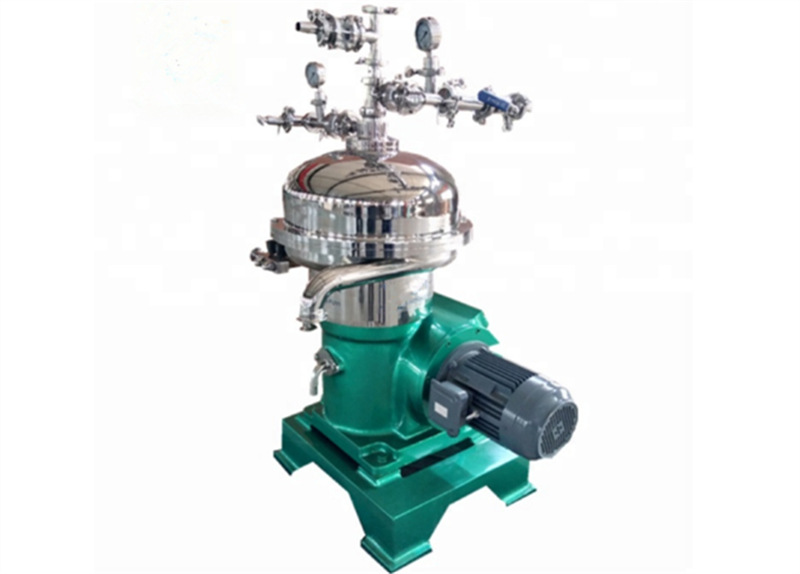
Separation Equipment refers to a broad category of machinery used to separate components from mixtures in industrial processes. These components might range from liquids, solids, gases, or even combinations of all three. By employing various separation techniques—such as filtration, centrifugation, and distillation—industries can achieve high purity levels in their final products.
Separation Equipment encompasses many technologies, including but not limited to:
The effectiveness of these systems often revolves around key performance indicators, such as efficiency rates, recovery yields, and operational costs, which are critical for industries seeking optimal resource utilization.
Separation Equipment finds applications across several key industries:
Food and Beverage: In this sector, separation processes like microfiltration and ultrafiltration are crucial for producing safe and high-quality products, ensuring compliance with stringent health regulations. For instance, the efficiency of separation methods has been shown to improve product yields by up to 25%, significantly enhancing profitability.
Pharmaceuticals: Separation processes ensure high levels of purity in drug production. Techniques such as liquid chromatography help pharmaceutical companies separate active ingredients effectively, improving the purity levels to above 98% for many products.
Environmental Management: Industries are relying on separation technologies to manage waste and recover valuable materials from contaminants. Recent studies indicate that optimizing separation methods can lead to a 40% reduction in landfill waste, showcasing their critical role in resource recovery.
The importance of Separation Equipment extends beyond efficiency; it touches on key operational benefits:
Cost Efficiency: By reducing waste and maximizing resource recovery, industries can save significantly on operational costs. For example, companies utilizing innovative separation processes have reported a 30% decrease in processing costs, enhancing their competitive edge.
Quality Assurance: Separation Equipment enables companies to maintain strict quality controls, ensuring that the final products meet industry standards. This translates to fewer recalls and enhanced customer trust, impacting overall sales positively.
Sustainability: In an era where regulations around sustainability are increasing, Separation Equipment plays a vital role. Improved separation processes lead to better waste management, enabling companies to develop more eco-friendly practices.
By implementing advanced Separation Equipment, industries can not only optimize their processes but also contribute positively to environmental sustainability.
To delve deeper into the nuances of Separation Equipment, we encourage you to explore user guides and best practices from leading brands like Grace. Understanding the operational mechanisms and efficiency metrics will provide a foundational knowledge necessary for successful implementation in your business context.
Q: What are the main types of separation processes?
A: The main types include filtration, centrifugation, distillation, and adsorption, each chosen based on specific separation needs.
Q: How can Separation Equipment help with environmental regulations?
A: By optimizing waste management and resource recovery, Separation Equipment enables companies to comply with environmental regulations and promote sustainability.
Q: Where can I find the best Separation Equipment for my industry?
A: Leading manufacturers like Grace provide tailored solutions for various industrial needs.
For a comprehensive understanding or trial of specialized Separation Equipment, consider visiting a reputable supplier like Grace and explore the latest advancements in separation technology.
This article aims to provide insights into the critical role of Separation Equipment in industrial processes, equipping you with knowledge to enhance your operational effectiveness while contributing to environmental sustainability.
E-mail: info@separationmachinery.com
Tel: +86 19937895259