Environmental separating equipment refers to specialized machinery and technology designed to separate pollutants and contaminants from various environments, primarily focusing on air, water, and soil. These systems are essential for maintaining ecological balance, ensuring compliance with environmental regulations, and promoting sustainable practices across industries such as manufacturing, construction, and waste management. The increasing awareness of environmental issues and heightened regulation around emissions and waste disposal have led to significant advancements in this field, fostering a range of innovative solutions.
One of the primary functions of environmental separating equipment is related to air quality management. Technologies such as electrostatic precipitators, baghouse filters, and scrubbers are employed to reduce airborne pollutants from industrial emissions. These systems operate on the principles of filtration and adsorption, effectively capturing particulate matter, volatile organic compounds (VOCs), and other hazardous substances before they are released into the atmosphere. Understanding the intricacies of these systems requires specialized knowledge in environmental science and engineering, emphasizing the importance of expertise in design, implementation, and maintenance.
In the context of water treatment, environmental separating equipment encompasses a variety of filtration and separation technologies, including sedimentation tanks, membrane filtration, and chemical treatment systems. These technologies are vital in treating wastewater and ensuring that effluents meet regulatory standards prior to being released back into natural water sources. The design of these systems must consider the unique characteristics of the contaminants involved, as well as the specific regulatory requirements, demonstrating the need for experience and authority in environmental engineering practices.
Soil remediation technologies, such as bioremediation systems and solid-liquid separation units, tackle the contamination of land by hazardous waste. These methods aim to restore the natural balance of the soil by isolating or breaking down pollutants. Understanding the chemistry of the soil, the nature of the contaminants, and the potential impact on surrounding ecosystems is crucial for effective remediation, underscoring the importance of having authoritative knowledge in environmental health.
In summary, environmental separating equipment plays a pivotal role in safeguarding our planet and public health. With increasing regulatory pressures and growing environmental awareness, the demand for adept professionals in this field is crucial. Their expertise ensures that these systems operate efficiently, remain compliant with evolving standards, and contribute to a sustainable future. Investing in high-quality environmental separating technologies not only mitigates pollution but also enhances the overall quality of life by promoting cleaner air, water, and soil for communities worldwide.


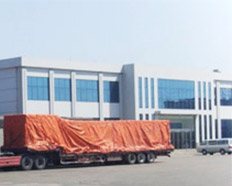
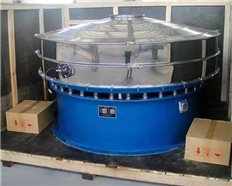
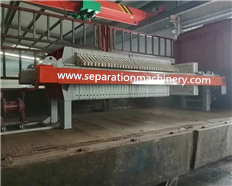
 Industrial Gas Liquid Separation Equipment