## Understanding Chemical Industrial Separation Equipment
Chemical Industrial Separation Equipment plays a pivotal role in modern manufacturing, particularly in industries such as petrochemicals, pharmaceuticals, and food processing. At its core, this equipment is designed to separate specific components of a mixture to produce desired materials in pure form, thus optimizing production processes and ensuring quality.
### Key Components and Working Mechanisms
The primary components of chemical separation equipment include separators, membranes, columns, and filters. Each component serves a distinct function within various separation techniques. For instance, distillation columns utilize differences in boiling points to separate mixtures; the vaporized components rise and cool, condensing back into liquid, thus isolating the desired product.
In membrane separation processes, membranes act as selective barriers, allowing specific molecules to pass while retaining others. This technology is pivotal for water treatment applications, such as reverse osmosis, which removes impurities from drinking water, ensuring high purity levels crucial for quality control in multiple industries.
Another integral component is the centrifuge, which uses rotational force to separate substances of different densities. An example of its application can be found in the biodiesel industry, where it efficiently separates glycerin from biodiesel, streamlining production and enhancing yield.
### Advanced Technology and Efficient Production
The advent of advanced technologies such as automation, real-time monitoring, and data analytics has significantly enhanced the efficacy of industrial separation processes. Automated systems not only optimize the speed and accuracy of separations but also reduce human error, thus increasing production reliability.
Real-time monitoring through sensors and control systems allows manufacturers to track separation dynamics closely, enabling immediate adjustments to optimize performance. This constant feedback loop results in lower operational costs and higher throughput, which are vital in today’s highly competitive manufacturing landscape.
### Importance in Modern Manufacturing
The efficiency provided by chemical industrial separation equipment is indispensable in modern manufacturing. Industries are continuously under pressure to produce high-quality products while minimizing waste and reducing costs. Separation technology contributes to sustainability efforts by recycling valuable materials, contributing to a circular economy.
For example, in the pharmaceutical sector, effective separation techniques ensure the purity of APIs (Active Pharmaceutical Ingredients), leading to safer medications. The precision and reliability of separation equipment have transformed manufacturing sectors, ensuring compliance with stringent regulatory standards.
In conclusion, Chemical Industrial Separation Equipment is foundational to efficient production processes in numerous industries. Its advanced technologies enable improved performance, sustainability, and quality assurance. For those looking to enhance their manufacturing capabilities, it is crucial to engage with reliable suppliers. For more information or to discuss your specific needs, please contact us.

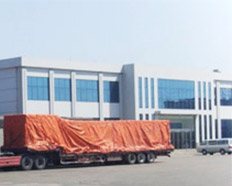
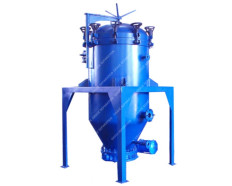

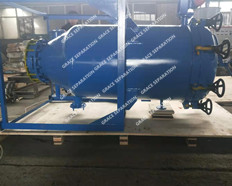
 Solid Liquid Separating Equipment