Solid-liquid filtration equipment for protein recovery plays a critical role in various industries, including food and beverage, pharmaceuticals, and biotechnology. This equipment is designed to efficiently separate solids from liquids, enabling the extraction and purification of proteins from a myriad of sources, such as plant materials, animal tissues, and microbial cultures. The importance of this technology stems from its ability to enhance the yield and purity of proteins, which are vital for numerous applications ranging from nutrition to therapeutic formulations.
The process of protein recovery involves complex biochemical and physical interactions. Consequently, the filtration equipment must operate under optimized conditions to achieve maximum efficiency. Different techniques are employed, including pressure-driven filtration, gravity filtration, and membrane filtration. Each method has its specific applications, benefits, and limitations, necessitating an informed selection based on the desired protein characteristics and the nature of the feed material. For instance, cross-flow filtration and microfiltration are commonly used to maintain the integrity of the protein structure while effectively removing unwanted particulates.
Expertise in this field is essential to ensure not only the selection of the appropriate filtration method but also the design and operational parameters of the equipment. Professionals in the domain must possess a thorough understanding of the physicochemical properties of proteins, as well as the technological nuances of filtration processes. This knowledge supports the optimization of parameters such as flow rates, pressure, temperature, and filter media selection, all of which can significantly influence the final protein yield and quality.
Moreover, as industries increasingly emphasize sustainability and efficiency, advancements in filtration technology are essential. Innovations such as the use of bio-based filter materials and energy-efficient system designs are emerging trends that reflect the commitment to environmentally responsible practices. Experienced manufacturers of filtration equipment are continuously researching to improve the scalability, ease of use, and sanitization protocols of their products.
In summary, solid-liquid filtration equipment for protein recovery is a sophisticated and essential component of modern industrial processes. By employing advanced technology and leveraging deep domain expertise, this equipment enables the efficient extraction and purification of proteins, thereby contributing to the development of high-quality products across various sectors. With the growing demand for sustainable practices and high-purity proteins, the evolution of this technology remains a dynamic area of focus within the industry.


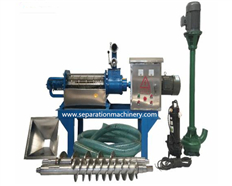
 Automatic Separating Equipment