## How Centrifuge Separators Work for Oil and Water Separation
Centrifuge separators are critical devices in the oil and water separation process, playing an essential role in various industries, including petroleum, food processing, and wastewater treatment. These machines leverage the principles of centrifugal force to separate immiscible liquids—primarily oil and water—effectively and efficiently.
At the heart of the centrifuge separator is the rotating drum or bowl, which is designed to create a strong centrifugal force when spun at high speeds. The basic operation begins with a mixture of oil and water being fed into the separator’s bowl. As the bowl spins, the denser water moves outward, while the lighter oil is propelled towards the center. This separation occurs due to the different densities of the two liquids, akin to how syrups separate from water when combined.
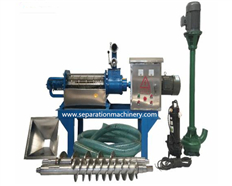
The key components of a centrifuge separator include the feed inlet, the rotating bowl, the lighter phase outlet (for oil), and the heavier phase outlet (for water). Additionally, the separator is equipped with a motor that controls the rotational speed, often adjustable according to the specific requirements of the separation process. The efficiency of the separation is heavily influenced by the rotational speed; higher speeds generally yield better separation results, although they may also wear out components faster.
Advanced technology has enhanced the capabilities of centrifuge separators significantly. For instance, modern separators may employ automation and digital monitoring systems that enable real-time analysis of the separation process and the quality of the output. These systems can optimize performance based on feed composition, leading to enhanced efficiency, reduced energy consumption, and minimal downtime.
An application scenario demonstrates the power of centrifuge separators in the oil industry. Consider a scenario where crude oil is extracted from the ground and contains a significant amount of water. Using a centrifuge separator, operators can quickly and efficiently separate the oil from water, hence improving the quality of the extracted crude and reducing costs associated with further refining processes. Similarly, in the food industry, waste oils can be separated from water in production runoff, maximizing resource recovery and minimizing environmental impact.
In conclusion, centrifuge separators are indispensable machines in modern manufacturing that provide an efficient means for oil and water separation. With the integration of advanced technologies, these devices ensure optimal production processes across various sectors. For industries looking to enhance their separation capabilities, engaging with trusted suppliers is essential. If you're interested in learning more about how centrifuge separators can benefit your operations, contact us.


 Automatic Separating Equipment