In the biopharmaceutical and biotechnology industries, effective cell harvesting is a critical process that significantly influences the yield and quality of biologics, vaccines, and cell-based therapies. Separating equipment for cell harvesting pertains to specialized technologies designed to efficiently isolate target cells from culture media or bioreactors, ensuring optimal recovery and minimal damage to the cells. The overall objective is to attain high purity and viability of the harvested cells, which are fundamental for downstream processing, including formulation, storage, and further analysis.
The importance of this equipment is underscored by the growing demand for biologics and personalized medicine, which has led to an increasing complexity of cell cultures. Traditional methods such as gravity sedimentation and centrifugation, while widely utilized, often lack the efficiency required for large-scale operations. Consequently, advancements have been made in the separation techniques employed in cell harvesting, evolving toward more refined methods such as depth filtration, tangential flow filtration (TFF), and various forms of centrifugation, including continuous flow centrifugation and disk stack centrifugation.
Depth filtration is a promising solution for initial cell clarification, offering an effective means to separate larger cells and debris from the culture medium. TFF has gained popularity due to its ability to concentrate and purify cells while maintaining quality, enabling the recovery of viable cells without subjecting them to the mechanical stress associated with traditional centrifugation methods. These improvements not only enhance cell recovery rates but also contribute to the overall efficiency of the biomanufacturing process.
Moreover, the integration of automation and real-time monitoring technologies has revolutionized cell harvesting. Automated systems ensure consistent operation and reduce human error, while real-time analytics provide insights into the separation process, thereby optimizing parameters for improved yield. As regulations in the biopharmaceutical sector continue to tighten, employing validated and reliable separation technologies becomes paramount to ensure compliance with Good Manufacturing Practices (GMP).
In summary, separating equipment for cell harvesting represents a vital component in the biomanufacturing landscape, shaped by the convergence of innovative separation technologies and stringent regulatory frameworks. As the demand for advanced therapeutics escalates, the focus on enhancing the efficiency and efficacy of cell harvesting processes has never been more critical. With advancements in equipment and methodologies, the industry is well-positioned to meet these challenges while assuring the highest standards of product quality and safety.


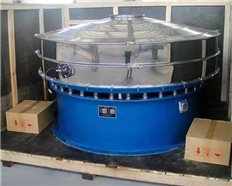
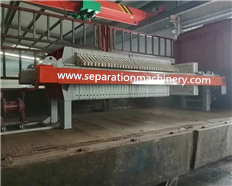
 High Efficiency Separating Equipment