In the realm of wastewater treatment, centrifuge separators have emerged as essential assets, streamlining the process of separating solids from liquids efficiently and effectively. This technology is particularly vital in industries such as food processing, oil and gas, pharmaceuticals, and municipal wastewater management, where the need for clean water and the remediation of contaminated effluent are paramount. By leveraging the principles of centrifugal force, these separators facilitate the rapid and reliable removal of suspended solids, oils, and other contaminants from wastewater streams.
Centrifuge separators operate by spinning the wastewater at high speeds within a rotating bowl. As the mixture is subjected to centrifugal force, denser materials—such as solid particles—are thrown outward to the walls of the bowl, while lighter components, typically water and oils, remain closer to the center. This separation not only enhances the quality of the treated effluent but also enables the recovery of valuable by-products, such as water for reuse or sludge for further processing.
One of the primary advantages of centrifuge separators is their ability to handle a wide range of flow rates and varying concentrations of solids, making them highly versatile for different applications. They are known for their low operational costs and minimal maintenance requirements, making them particularly attractive for facilities with budget constraints or limited personnel.
The technology is backed by decades of research and development, making it a robust solution that can adapt to the evolving challenges presented by wastewater treatment. With advancements in automation and control systems, modern centrifuge separators can offer real-time monitoring and adjustments, further enhancing their efficiency and reliability.
Expert guidance in the selection and implementation of centrifuge separators is crucial for maximizing their effectiveness. Professionals in the field emphasize the importance of understanding the specific characteristics of the wastewater being treated, as well as the operational parameters of the centrifuge. By providing tailored solutions and leveraging their expertise, wastewater treatment specialists can help industries achieve compliance with environmental regulations while promoting sustainability through effective wastewater management practices.
In conclusion, centrifuge separators play a pivotal role in modern wastewater treatment processes, combining technical sophistication with practical applications to address the pressing global challenges of water pollution and resource recovery. By ensuring a high level of expertise, experience, and authoritativeness in their implementation, industries can significantly improve their wastewater handling and treatment strategies, contributing to a cleaner environment and sustainable development.


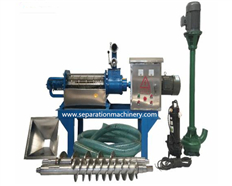
 Solid Liquid Separating Equipment