## Understanding Solid Liquid Filtration Equipment for Environmental Protection
Solid-liquid filtration equipment plays a crucial role in environmental protection by efficiently separating solids from liquids in industrial processes. This technology is essential in various sectors, including wastewater treatment, chemical production, and food processing, where liquid effluents contain harmful substances that must be removed before disposal or reuse.
At the core of solid-liquid filtration equipment are key components that enable effective separation. One main component is the filter medium, which can vary from porous membranes to filter presses, each designed to suit specific applications. The filter medium acts as a barrier, allowing liquids to pass while retaining solid particles. Advanced materials such as activated carbon and polypropylene are often used, enhancing the filtration efficiency and lifespan of the equipment.
The working mechanism begins with the feed system, where the slurry containing solids is introduced into the filtration unit. Depending on the design, gravity, vacuum, or pressure can be applied to facilitate the movement of the liquid through the filter. As the liquid passes through the filter medium, solids are trapped, forming a filter cake. This cake can be further processed for material recovery or safe disposal.
Automation plays an essential role in modern solid-liquid filtration systems, improving operational efficiency and reducing human error. Sensors and control systems continuously monitor parameters such as flow rates, pressure differentials, and solids concentration. This data allows for real-time adjustments to optimize filtration performance and maintain the desired processing rates.
An example of solid-liquid filtration in action can be seen in municipal wastewater treatment plants. Here, large volumes of wastewater are processed to remove contaminants before being released into the environment. Solid-liquid filtration systems efficiently handle the varying composition of wastewater, ensuring compliance with environmental regulations.
Industries dealing with hazardous materials, such as pharmaceuticals, also benefit significantly from advanced solid-liquid filtration technologies. These systems not only safeguard the environment by preventing pollutants from entering water systems but also streamline production processes and minimize waste, ultimately promoting sustainability.
In conclusion, solid-liquid filtration equipment for environmental protection is vital in modern manufacturing. Its advanced technology enhances production efficiency, ensuring compliance with environmental standards while reducing waste. For those considering the implementation of such systems, understanding their core components and working mechanisms is essential. To explore more about these solutions and connect with reputable suppliers, please contact us.


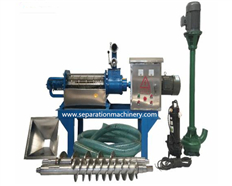
 Mining Separating Equipment