## Understanding Energy Saving Tubular Centrifuge Equipment
Energy-saving tubular centrifuge equipment represents a significant advancement in material separation technology, designed to enhance production efficiency while minimizing energy consumption. This innovative machinery plays a crucial role in various industries, including food processing, pharmaceuticals, and chemical manufacturing.
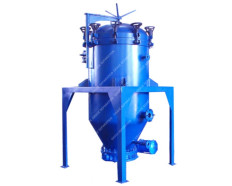
At its core, a tubular centrifuge consists of a cylindrical chamber that spins at high speeds. This spinning motion generates centrifugal force, enabling the separation of solid particles from liquid substances. The key components of a tubular centrifuge include the rotor, feed inlet, separation chamber, and discharge outlets. The rotor, typically made of durable materials like stainless steel, rotates within the casing, creating a powerful force that pushes heavier solid particles outward, while lighter liquids are displaced toward the center.
The working mechanism of a tubular centrifuge begins when the feed material enters through an inlet, where it is then subjected to rapid centrifugal acceleration. As the rotor turns, the denser solids migrate to the outer wall of the separation chamber, while the less dense liquids remain in the inner region. The design also includes internal scroll mechanisms that help continuously convey the solids toward the discharge outlet, ensuring an uninterrupted flow of material. This efficient separation is not only quicker than traditional methods but also significantly reduces energy consumption.
Advanced technology plays a pivotal role in optimizing the performance of energy-saving tubular centrifuges. Features such as variable speed drives, automatic feed control, and integrated monitoring systems contribute to improved efficiency and reduced operational costs. For instance, variable speed drives allow for adjustments based on the specific characteristics of the material being processed, ensuring that energy use is kept at a minimum while maximizing output.
Practical applications of tubular centrifuge equipment highlight its versatility and effectiveness. In the food industry, for example, these centrifuges are commonly used to separate cream from milk, producing high-quality dairy products. In pharmaceuticals, they efficiently separate active ingredients from solvents, ensuring pure formulations. The chemical sector benefits as well, using tubular centrifuges to separate catalysts from reaction mixtures, thus enhancing product quality and process efficiency.
In conclusion, energy-saving tubular centrifuge equipment is essential for modern manufacturing. Its advanced technology not only promotes efficient production processes but also supports sustainability by minimizing energy use. Businesses looking to enhance their operational efficiency should consider harnessing this innovative technology. For further information on suppliers offering this equipment, do not hesitate to contact us.


 Liquid Liquid Separation Equipment