## The Functionality and Importance of Tubular Centrifuges in Blood Plasma Separation
Tubular centrifuges are essential devices for the effective separation of blood plasma, a critical process in medical and biotechnological applications. This technology plays a vital role in a range of industries, including healthcare, pharmaceuticals, and research laboratories. Understanding how tubular centrifuges function can shed light on their significance in modern manufacturing and medical practices.
At the core of a tubular centrifuge’s operation are several key components: the rotor, feed inlet, outlet ports, and control system. The rotor is the spinning element that generates the centrifugal force necessary for separation. Blood is introduced into the centrifuge through the feed inlet, where it enters the rotor chamber at high speeds. The rotor spins rapidly, typically at speeds ranging from 8,000 to 20,000 RPM, creating a strong centrifugal force that propels the heavier cellular components of blood, such as red blood cells, to the bottom of the rotor, while the lighter plasma remains at the top.
Strict control over parameters such as speed and temperature is critical for optimizing the separation process. Advanced technology embedded in modern tubular centrifuges integrates sensors and automation, allowing for precise regulation of these parameters. This ensures maximum yield and quality of the separated plasma. The design of tubular centrifuges, typically featuring a long and narrow shape, improves the separation efficiency by providing a larger surface area for sedimentation, thus shortening separation times.
An illustrative application of tubular centrifuges can be found in the production of therapeutic plasma components. For instance, in the manufacture of clotting factor concentrates for hemophilia patients, blood plasma must be separated and processed quickly and efficiently. Tubular centrifuges facilitate this process, enabling healthcare providers to produce high-quality treatments that are essential for patient care.
Moreover, the technology behind tubular centrifuges continues to evolve, incorporating features such as automation, real-time monitoring, and advanced material construction. These advancements contribute to enhanced efficiency, reduced operational costs, and improved safety, making tubular centrifuges invaluable in producing viable plasma products.
In conclusion, the role of tubular centrifuges in blood plasma separation is pivotal in modern manufacturing and healthcare. With their ability to harness advanced technology for efficient production processes, tubular centrifuges help ensure that high-quality plasma products are readily available. For those interested in acquiring or learning more about these essential devices, please feel free to contact us. We can provide information about reputable suppliers to help meet your needs.



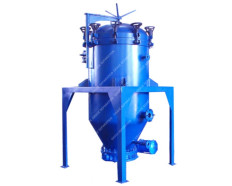
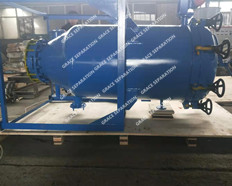
 High Efficiency Separating Equipment