+86 19937895259
+86 19937895259
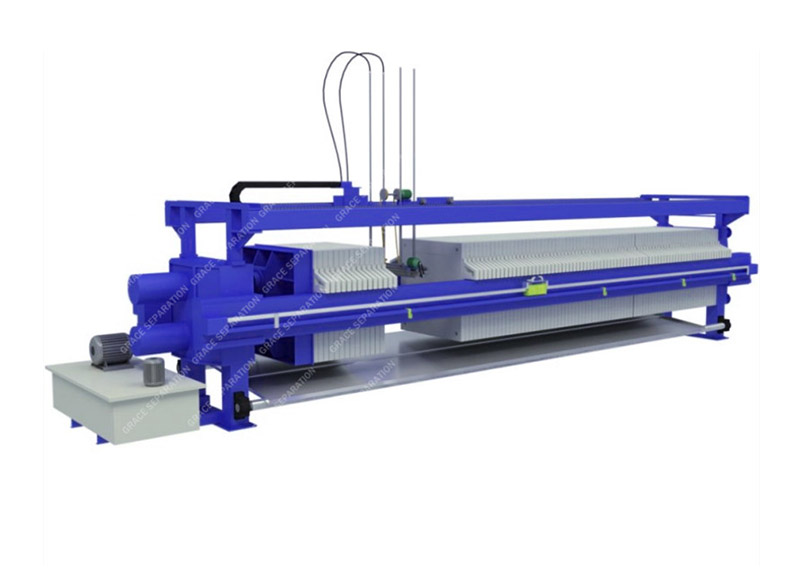
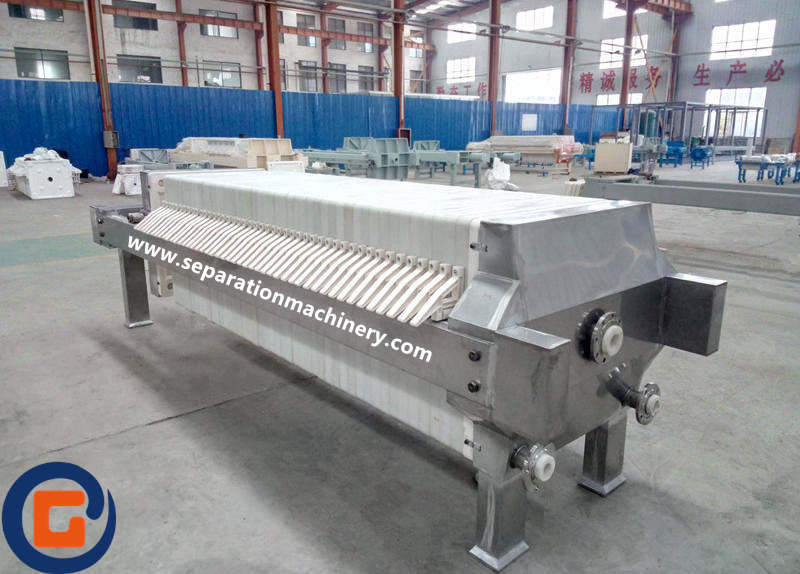
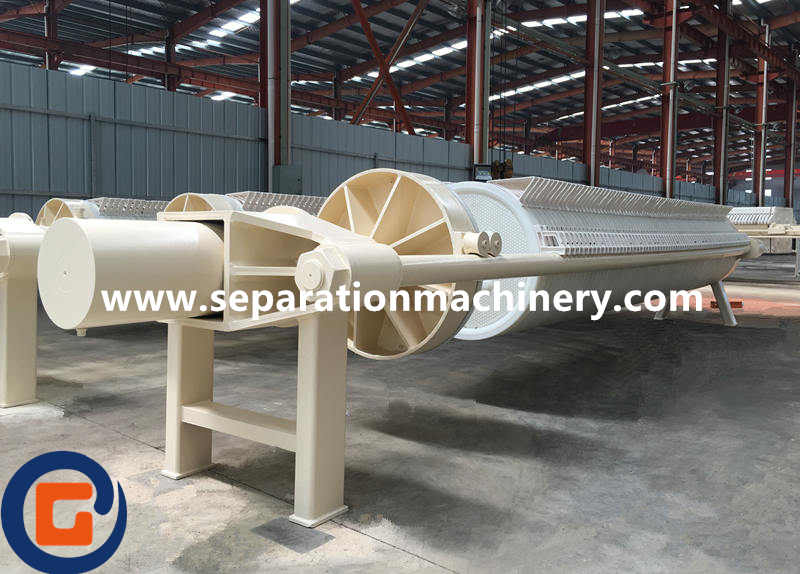
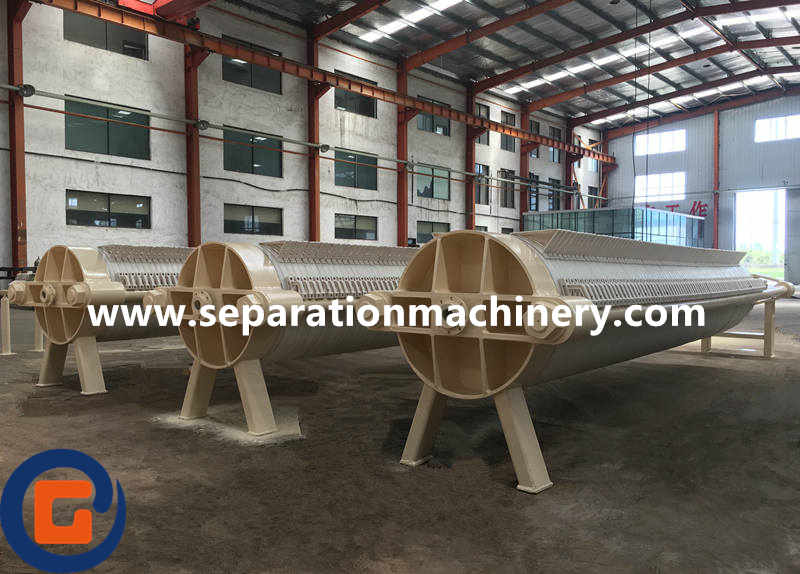
A vertical filter press is an automated solid-liquid separation system designed for applications requiring efficient filtration, filter cake washing, compressed-air drying and automatic cake discharge. Compared with conventional horizontal plate filter presses, its vertically arranged filter plates allow the filtration cycle to be completed with less manual intervention and more consistent operating conditions.
Vertical filter presses are widely used in mining, mineral processing, metallurgy, chemical production, wastewater treatment and other industries that process large volumes of slurry. The filtration area, plate dimensions, hydraulic pressure, filter cloth and control system can be configured according to the slurry characteristics and required cake moisture.
An automatic vertical filter press integrates slurry feeding, filtration, diaphragm squeezing, cake washing, air drying, plate opening, filter cloth movement and cake discharge into a continuous operating sequence.
The machine is particularly suitable for production lines where operators need:
High filtration efficiency
Consistent filter cake thickness
Reduced residual cake moisture
Automatic cake discharge
Effective filter cake washing
Lower manual handling requirements
Stable operation under continuous production conditions
By automating the main filtration procedures, a vertical plate filter press can help reduce cycle-to-cycle variations and improve the overall efficiency of downstream material handling.
The filtration process normally includes several stages.
The hydraulic system closes and locks the vertical filter plate pack. The plates and filter cloth form sealed filtration chambers.
A feed pump transfers slurry into the filter chambers. Liquid passes through the filter cloth, while suspended solids remain inside the chambers and gradually form a filter cake.
After the initial filtration stage, water or compressed air enters the diaphragm chamber. The diaphragm applies additional pressure to the filter cake, removing more liquid and reducing final cake moisture.
When the recovered solid requires higher purity, washing liquid can be introduced through the cake. The washing process removes soluble impurities or recovers valuable substances remaining in the filter cake.
Compressed air passes through the filter cake to remove residual liquid. This step can further decrease moisture content before cake discharge.
The plates open automatically, and the filter cloth moves continuously or intermittently. The filter cake separates from the cloth and falls into a collection hopper, conveyor or other downstream handling system.
An automatic cloth washing system removes remaining particles from the filter media, helping maintain filtration performance during repeated cycles.
The complete filtration cycle can be controlled through a PLC and HMI system. Operators can monitor feed pressure, squeezing time, washing time, drying time and discharge status from the control panel.
Diaphragm squeezing and compressed-air drying can remove more liquid from the cake than gravity filtration alone. Lower cake moisture can reduce transportation, drying and disposal costs.
The chamber structure allows washing liquid to pass through the filter cake in a controlled direction. This makes the equipment suitable for mineral concentrates, chemical products and other materials requiring impurity removal or valuable liquid recovery.
The moving filter cloth assists cake release and reduces the risk of filter cake remaining between the plates. This feature is useful for sticky, fine or difficult-to-discharge materials.
Automated pressure, timing and valve control help maintain consistent filtration conditions. This improves the uniformity of cake thickness, moisture and washing results.
Plate opening, cloth movement, cake discharge and cloth cleaning can be automated, reducing the amount of direct operator involvement in the filtration area.
Vertical filter presses can be used for slurry dewatering, concentrate recovery, tailings treatment and process-liquid clarification.
| Industry | Typical Materials and Applications |
|---|---|
| Mining | Copper concentrate, zinc concentrate, lead concentrate, iron ore and gold tailings |
| Mineral processing | Fine mineral slurry, flotation concentrate and hydrometallurgical residues |
| Metallurgy | Metal hydroxides, smelting residues and process slurries |
| Chemical processing | Pigments, salts, catalysts and chemical intermediates |
| Wastewater treatment | Industrial sludge and high-solid-content wastewater |
| Battery materials | Lithium, nickel, cobalt and other processed material slurries |
| Coal processing | Coal slurry, fine coal and coal preparation residues |
| Environmental engineering | Tailings dewatering, sludge volume reduction and liquid recovery |
The actual filtration performance depends on particle size distribution, solids concentration, viscosity, temperature, compressibility and chemical compatibility.
Before choosing a vertical filter press, buyers should provide accurate process information to the equipment manufacturer.
Important slurry parameters include:
Material composition
Solid concentration
Particle size distribution
Slurry temperature
pH value
Viscosity
Corrosiveness
Abrasiveness
Filtration test data
These parameters influence filter plate material, filter cloth selection, feed pressure and filtration cycle time.
Processing capacity should be calculated according to slurry volume, solids content, operating hours and expected filtration cycles per day. A larger filtration area does not automatically guarantee higher productivity if the slurry has poor permeability.
The required final moisture content determines whether diaphragm squeezing and compressed-air drying are necessary. Buyers should specify whether the cake will be transported, disposed of, dried further or returned to another production process.
For applications requiring high product purity or valuable liquid recovery, the supplier should evaluate washing liquid volume, washing pressure, cake thickness and washing efficiency.
Polypropylene filter plates are commonly used because of their chemical resistance and relatively low weight. However, plate and cloth materials should be selected according to slurry temperature, acidity, alkalinity and particle characteristics.
An automatic vertical filter press may include:
PLC and HMI control
Automatic valve control
Feed pump interlocking
Automatic diaphragm squeezing
Automatic cake washing
Compressed-air drying
Filter cloth movement
Automatic cloth washing
Fault alarms
Remote monitoring
Production data recording
The automation configuration should match the plant’s production requirements and control system.
Vertical filter presses can be customized according to the customer’s filtration process and site conditions.
Available customization options may include:
Filtration area
Filter plate dimensions
Chamber thickness
Hydraulic closing pressure
Slurry feeding method
Diaphragm squeezing pressure
Cake washing system
Air drying system
Filter cloth material
Cloth washing system
Wetted-part materials
PLC and electrical components
Voltage and frequency
Platform and access structure
Cake hopper or discharge conveyor
Remote control and data communication
For a more accurate equipment configuration, laboratory or pilot filtration testing should be carried out before final model selection.
The vertical filter press price depends on filtration area, plate size, plate quantity, automation level, construction materials and auxiliary equipment.
A complete quotation may include:
Main filter press
Hydraulic power unit
Slurry feeding system
Diaphragm squeezing system
Cake washing system
Air drying system
Filter cloth washing device
PLC control cabinet
Platforms and safety guards
Cake collection or conveying equipment
Installation and commissioning services
Spare parts and filter cloth
Buyers should compare not only the initial machine price but also filtration capacity, cake moisture, energy consumption, maintenance requirements and filter cloth service life.
As a vertical filter press manufacturer, we can provide equipment selection, filtration testing, process design, manufacturing, installation guidance and after-sales support.
Before production, our engineering team evaluates the slurry properties, target processing capacity, required cake moisture and washing conditions. The vertical filter press is then configured to match the customer’s actual filtration process rather than being selected only according to nominal filtration area.
Contact us with your slurry data, processing capacity and target cake moisture to receive a suitable vertical filter press configuration and quotation.
Inquiry
Related
Vertical Filter Press